
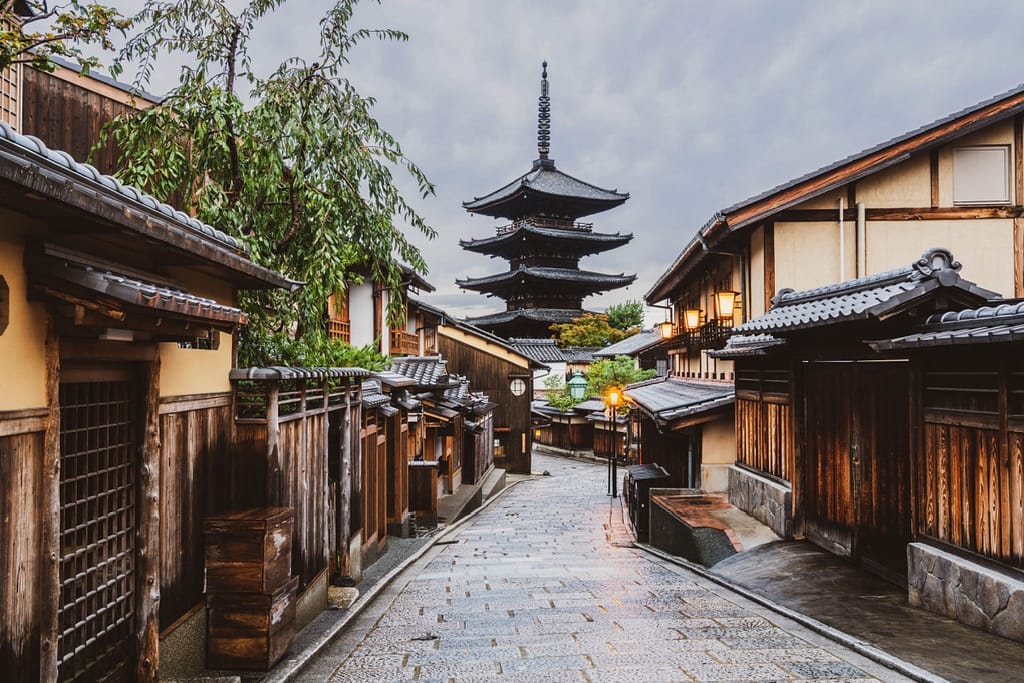
Most travel photography advice tells you to move fast, cover ground, and maximize your time in a place. Anthony Schiliro has found the opposite to be true. Across five continents and more destinations than most people visit in a lifetime, the images that hold up are almost never the ones captured in a hurry. They come from staying longer, looking harder, and resisting the urge to move on before a place has had a chance to reveal something real. These ten destinations, all drawn from his own travels, are the ones that rewarded that approach most consistently.
Sicily, Italy
Sicily doesn’t perform for anyone. Its ancient cities carry so many layers that the architecture alone tells a dozen stories before a single person walks into the frame. But the real photographs here happen at street level: old men outside social clubs in the late afternoon, fish markets winding down before noon, light cutting through narrow alleyways in ways that feel almost engineered for film noir. Arrive without a shot list and let the island tell you what it wants you to see.
Kyoto, Japan
Kyoto rewards the photographer who resists the obvious. The famous temples exist, and they’re genuinely beautiful, but they’re also full of other cameras. The quieter neighborhoods — Fushimi, the backstreets behind Gion, residential areas most visitors walk straight through — have a stillness and visual texture that the main sites rarely offer. Early mornings in Kyoto feel borrowed from a different century. That’s when the best light and the fewest crowds arrive at exactly the same time.
Bahia, Brazil
Where Rio demands your attention, Bahia earns it slowly. The state’s Afro-Brazilian culture runs deep, and it shows in the color, music, and rhythm of daily life in ways that feel genuinely unperformed. Salvador’s Pelourinho district is the obvious starting point, but the surrounding neighborhoods, outdoor markets, and coastal fishing villages are where the more honest photographs live. Bahia is not trying to be photographed. That’s exactly what makes it worth photographing.
Hanoi, Vietnam
Hanoi operates on its own clock, and the photographer who adjusts to it rather than fighting it comes away with something real. The Old Quarter before 7am is a different city — vendors setting up, locals moving through routines with calm efficiency, light coming in low and soft over the rooftops. It’s loud and layered and endlessly specific. The key is staying in one spot long enough for the scene to forget you’re there.
Seville, Spain
Seville in the late afternoon is one of the great gifts available to any travel photographer with nowhere urgent to be. The city slows to an almost theatrical pace as the heat pulls back — people emerge, conversations happen on doorsteps, light turns the color of old paper across the white-washed walls. There’s a mood here that belongs specifically to Seville and to no other hour of the day. Chase it. Wait for it. It’s worth building an entire itinerary around.
Melbourne, Australia
Melbourne rewards the photographer who looks at urban texture rather than scenery. Its laneways — covered in murals, full of foot traffic and café culture and the particular energy of a city that takes its creative life seriously — change constantly and reward repeated visits. It’s a city that looks different depending on the weather, the light, and what you happened to notice that you walked past the day before. Less a destination to cover and more a place to wander without a fixed direction.
Hong Kong
Few cities on earth compress this much visual information into this much space. Hong Kong’s density is overwhelming at first and endlessly rewarding once you settle into it. The contrast between its gleaming towers and the quieter, older neighborhoods beneath them — wet markets, dim sum spots open since 5am, narrow residential streets that feel untouched by the skyline above — gives the photographer who slows down a genuine choice about which city to shoot. Both are worth the time.
Havana, Cuba
Havana gives itself away in layers. The decay and the color and the music and the particular quality of life that has developed in a place largely cut off from the outside world for decades — none of it photographs well from a moving vehicle or a rushed afternoon. You need to sit in a square and watch. Walk the same block a few times at different hours. Let people get used to you before you reach for the camera. The portraits available to a patient photographer in Havana are among the most remarkable anywhere.
Singapore
Singapore looks polished from a distance and reveals genuine complexity up close. Its ethnic neighborhoods — Chinatown, Little India, Kampong Glam — each carry a cultural specificity that resists the city’s broader reputation for seamless modernity. The light here is dramatic, the contrasts are sharp, and the overlap between old and new happens in ways that are easy to miss if you’re moving through quickly. Slow down. The surface story and the real story are rarely the same.
Puerto Rico
Puerto Rico’s visual richness is front-loaded in Old San Juan — the colored colonial buildings, the ocean light, the narrow cobblestone streets — but the island opens up considerably for photographers willing to explore beyond it. Coastal fishing communities, the bioluminescent bays at dusk, the mountainous interior with its roadside vendors and small-town plazas — these are quieter, less photographed, and far more likely to yield something unexpected. The best light here arrives and leaves fast. Being somewhere early and staying patient with it makes all the difference.
Leave a Reply